
Few coffee styles have grown in popularity as quickly as cold brew coffee. Known for its smooth texture, low acidity, and naturally sweet profile, cold brew has moved from café specialty to everyday staple. But behind its easy-drinking reputation lies a method rooted in patience, precision, and respect for the bean.
Whether you’re new to cold brew or refining your technique, understanding how it works — from grind size to brewing tools — can transform your results.
What Is Cold Brew Coffee?
Cold brew coffee is made by steeping coffee grounds in cold or room-temperature water for an extended period, usually between 12 and 24 hours. Unlike iced coffee, which is brewed hot and cooled, cold brew relies entirely on time rather than heat to extract flavour.
This slow extraction produces a coffee that is:
- Smooth and mellow
- Lower in acidity
- Naturally sweeter
- Highly versatile
Because fewer bitter compounds are extracted, cold brew coffee is often easier on the stomach and well suited to long sipping sessions.
Why Cold Brew Coffee Tastes Different
Temperature dramatically affects flavour extraction. Hot water pulls acids and oils quickly, while cold water extracts flavour more gently. This is why cold brew coffee tends to highlight chocolatey, nutty, and caramel notes while minimising sharpness.
The result is a coffee that feels rounder and more balanced, even when served black.
Choosing the Right Cold Brew Coffee Grind
Grind size plays a crucial role in cold brewing. A cold brew coffee grind should always be coarse — similar to sea salt or raw sugar.
Using course ground coffee cold brew prevents over-extraction and cloudiness. Fine grinds can lead to bitterness and sediment, which dulls the clean finish cold brew is known for.
A consistent grind is best achieved with a burr grinder, ensuring even extraction throughout the long steep.
Cold Brew Coffee Brewer Options
There are several ways to brew cold brew coffee, depending on your space and preference.
A cold brew coffee brewer may include:
- Dedicated cold brew towers or jars
- Mason jar setups with filters
- Immersion brewers with built-in strainers
Each option works on the same principle: immersion followed by filtration. The difference lies in convenience and capacity.
Cold Brew Coffee French Press Method
One of the simplest ways to make cold brew is using a cold brew coffee French press. It requires no special equipment and is ideal for beginners.
Steps:
- Add coarse ground coffee to the French press
- Pour in cold, filtered water
- Stir gently
- Cover and steep for 12–18 hours
- Press and serve
This method delivers a clean cup with minimal effort and makes filtering straightforward.
Cold Brew Coffee Concentrate Explained
Many people brew cold brew coffee concentrate, a stronger version designed to be diluted before drinking.
Benefits of concentrate:
- Longer shelf life
- Customisable strength
- Ideal for milk-based drinks
Typically, concentrate is mixed with water, milk, or ice at a 1:1 or 1:2 ratio. It can also serve as a base for lattes, tonics, or creative coffee recipes.
Ready to Drink Cold Brew Coffee
Ready to drink cold brew coffee has become increasingly popular, offering convenience without sacrificing flavour. Available in bottles or cans, these options are perfect for busy mornings or travel.
While store-bought cold brew can be excellent, homemade versions allow more control over:
- Bean quality
- Brew strength
- Freshness
For many enthusiasts, brewing at home quickly becomes part of the ritual.
Best Coffee Beans for Cold Brew
Not all beans behave the same in cold brewing. Medium to dark roasts are often preferred, as they highlight chocolate and caramel flavours that shine in cold extraction.
However, lighter roasts can also work beautifully, offering subtle fruit notes when brewed carefully.
Experimentation is key — cold brew is forgiving and rewards curiosity.
How Long Should Cold Brew Steep?
Steeping time directly affects flavour:
- 12 hours: lighter, softer profile
- 16–18 hours: balanced and smooth
- 20–24 hours: bold and intense
Over-steeping rarely causes bitterness with coarse grinds, but it can mute brightness.
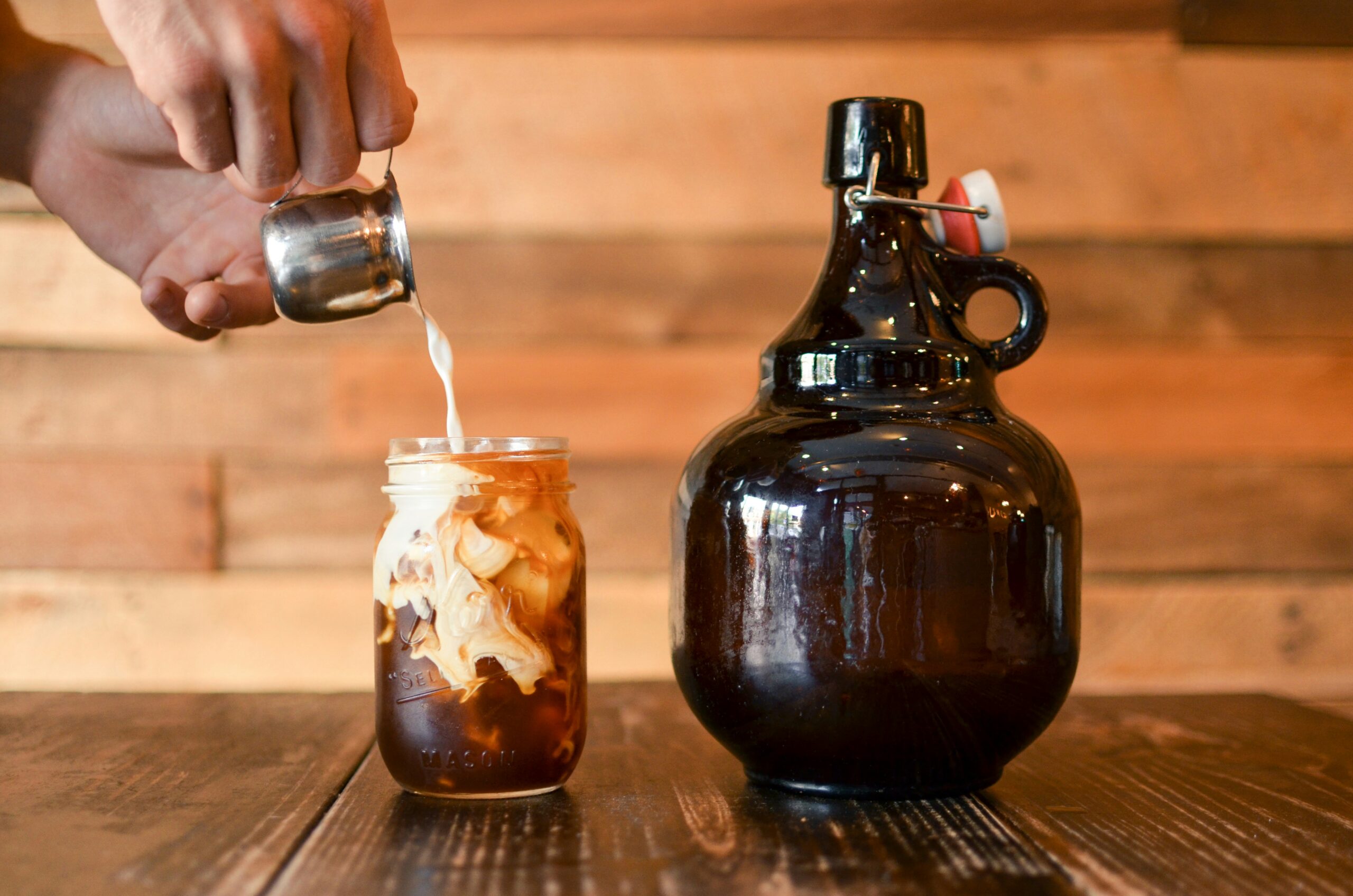
Serving Cold Brew Coffee
Cold brew coffee can be enjoyed in many ways:
- Over ice
- Diluted with water
- Mixed with milk or plant-based alternatives
- Lightly sweetened
Its versatility makes it suitable year-round, not just during warmer months.
Why Cold Brew Coffee Is Here to Stay
Cold brew coffee represents a shift in how we think about brewing — slower, gentler, and more intentional. Its smoothness appeals to newcomers, while its depth keeps enthusiasts engaged.
From simple French press methods to dedicated cold brew coffee brewer systems, this style continues to redefine what coffee can be.
Final Thoughts
Cold brew coffee proves that patience pays off. With the right cold brew coffee grind, quality beans, and time, it delivers a consistently smooth cup that feels both modern and timeless.
Join us for the next article, where we’ll look into the different types of coffee and bean types.